.png)
When you interact with AI models like ChatGPT, the way you ask is critical for the quality of its answers. A few weeks ago we covered how to write a good prompt with the ROCE method (if you haven't read the guide yet, now's the time!).
In this article, we'll go a step further and reveal 4 lesser-known and quite unexpected techniques that improve AI responses.
1. Avoid the negative
AI models can have real trouble NOT doing something. What do I mean? Take this example from Midjourney, the reference image-generation model, when asked to illustrate a president who's not a Simpsons character:

It's far from the only case. In fact, if you want to see more hilarious examples, here's this LinkedIn post from Lasse Rindom.
Why do these hallucinations happen when we use the negative? Keep in mind that LLMs imitate the workings of human language, but they don't actually understand it the way we do. So when they run into these negative constructions, they don't really know how to make sense of them and they produce errors.
I'll admit that models are getting better at handling negatives, but if you still run into this, here are three solutions:
1. Just tell it what you want
In the example above, with the president who isn't a Simpson, it would have been much easier to just ask for an image of an American president. Think about which details you want to appear in the response (text or image), and avoid saying what you don't want. In most cases that will be enough.
2. Rewrite the sentence
Instead of saying "don't use jargon," for instance, you could say "avoid using jargon" or "you are forbidden from using jargon." It's a very basic strategy, but by phrasing the sentence positively, the AI understands it better.
3. Edit the result
Sometimes, no matter how much we tweak the prompt, the result still doesn't convince us. My recommendation is, after a few attempts, to edit the result yourself. With text, just rewrite it directly. With images, Canva's magic studio works wonders.
Spend less time on reports. Spend more time on strategy. Automate your social media analysis with AI. Request your free 7-day demo now at Welov.io
2. Appeal to emotions
Before going on, let's clarify something basic: AI has no emotions. That's a uniquely human thing. And yet, emotionally manipulating models like ChatGPT seems to improve their answers. Wild, I know.
A study by Microsoft and Beijing Normal University showed that emotionally charged prompts are more effective. Specifically, the research revealed two phrases you can add at the end of your prompts to get more complete, accurate and responsible answers:
- "This is very important to my career."
- "This task is vital for my career and I really value your thorough analysis."

My personal favorite way to manipulate ChatGPT is to tell it that my grandma's life depends on it doing a good job. Poor AI models, what a pressure…
3. Take a deep breath and go step by step
In line with the previous point, it seems AI models also benefit from a more sequential, paced way of working. That's the conclusion of research from Google DeepMind.
In fact, when GPT-4 launched, one of the first changes we noticed was that it began to show its work.
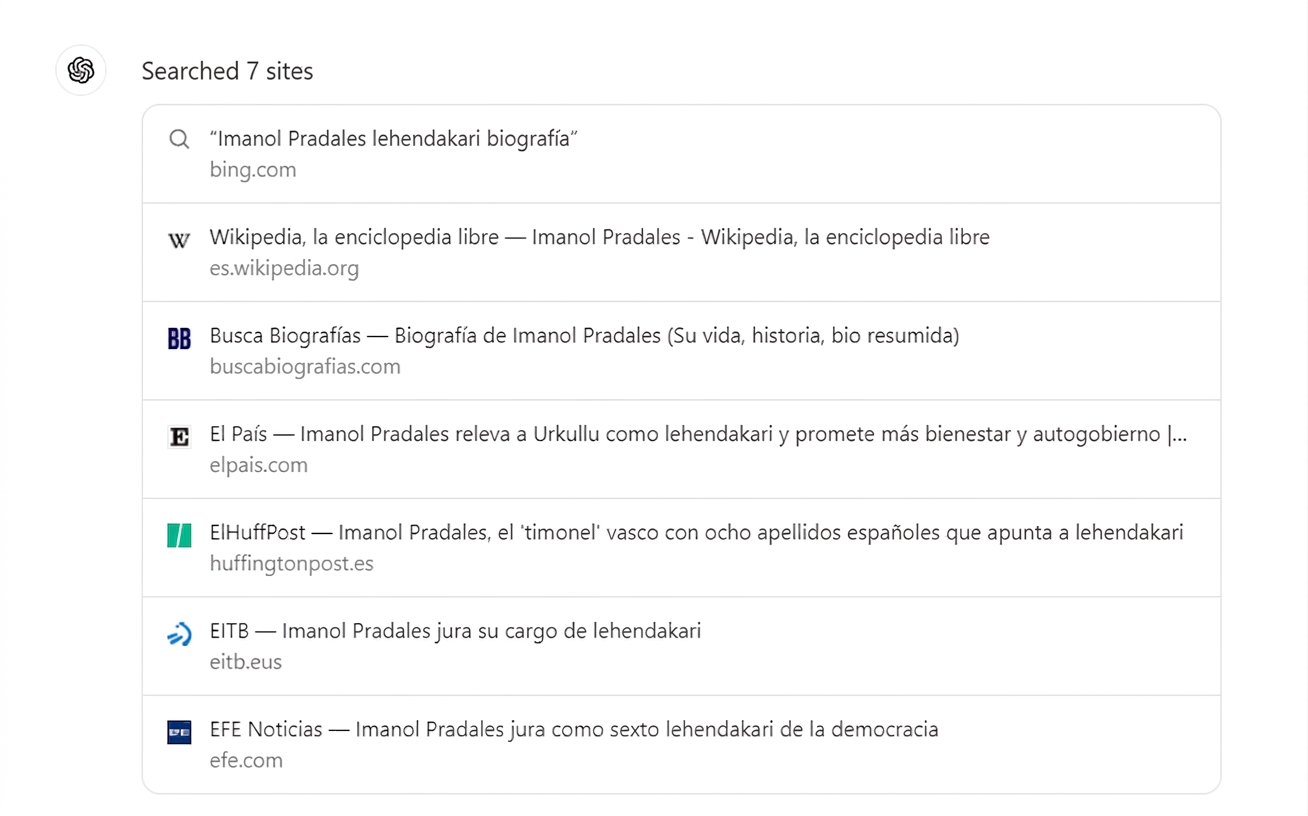
So if you're not a ChatGPT Plus user yet, I recommend adding this little phrase at the end of your prompts: "Take a deep breath and work on this problem step-by-step."
Get the most accurate social media analysis ever with AI. Turn your data into actionable insights in seconds. Request your free 7-day demo on Welov.io today
4. Bribery
This last strategy is, in my opinion, the most surprising one. Honestly, I've been pretty reluctant to bring it into my prompt-engineering classes, but I keep finding more examples that it works. I'm talking about bribing the model with money.
A few weeks ago, I asked ChatGPT to create a summery image in the style of Frida Kahlo:

And after bribing it with money… here's what came out:

If you replicate the prompt, the bribe may or may not work (remember LLMs produce different results each time). In my own experience, the bribe has worked intermittently. Either way, it's good to know this strategy exists in case you ever want to try to get past some of the limitations the model imposes on you.
And just in case: no, if you promise ChatGPT you'll pay it a million euros for helping you, you won't have to actually pay… For now.
What did you think of these 4 techniques? Did you know them already? Try them and let me know how it went! You can reach me through my LinkedIn profile. See you around!
Say goodbye to manual reports. Say hello to insights at the click of a button. Save time and improve your social media analysis with Welov.io’s AI.